Some parents believe baby teeth don’t require the same care as adult teeth, but treating cavities in baby teeth is essential for your child’s comfort and long-term dental health. Neglecting cavities in baby teeth can lead to pain and infections, affecting their overall well-being.
Understanding the importance of addressing decay early can help maintain your child’s dental structure, promote healthy habits, and pave the way for their adult teeth to emerge in a healthier environment. In this post, you’ll learn why fillings are necessary for your child’s baby teeth and how they contribute to lifelong dental health.
Key Takeaways
- Treating cavities in baby teeth helps prevent pain, infection, and potential damage to the developing permanent teeth beneath them.
- Baby teeth play a crucial role in chewing, speech development, and maintaining space for adult teeth.
- Early dental care helps establish good oral hygiene habits and prevents future dental issues.
The Misconception About Baby Teeth
Many parents mistakenly believe that because baby teeth will eventually fall out, they don’t require the same level of care as permanent teeth. This misconception can lead to neglecting necessary dental treatments, such as fillings, when a child’s baby teeth develop cavities.
“Baby teeth are more than placeholders; their health directly influences your child’s ability to eat, speak, and smile comfortably while serving as a foundation for future oral health.” – Dr. Manjot Dhaliwal, Dentist in Wetaskiwin, AB
It’s vital to challenge this belief and understand that baby teeth play a critical role in a child’s overall oral health.
Common Beliefs Surrounding Baby Teeth
A prevalent belief is that cavities in baby teeth are harmless since they will naturally fall out. Some parents feel that dental issues can wait until adult teeth grow in, leading to delayed treatment.
However, this perspective underestimates the impact that poor dental health can have on a child’s development and future dental experiences.
The Role of Baby Teeth in Oral Development
Baby teeth, also known as primary teeth, are vital for physical and oral development. They help children chew food properly, enabling better nutrition, and play a key role in speech development.
Moreover, they act as placeholders, guiding the proper positioning of adult teeth that emerge later. When baby teeth are compromised, it can lead to misalignment or overcrowding in later years.
Canadian pediatric dental associations emphasize that untreated cavities in baby teeth can interfere with proper bite and jaw development, potentially increasing the need for orthodontic treatment later on. For instance, a study found that children with untreated cavities are more likely to experience speech delays, placing significant importance on the state of your child’s primary teeth.
“Addressing cavities early protects your child’s smile today and lessens the likelihood of speech, nutritional, and orthodontic challenges in the future.” – Dr. Manjot Dhaliwal, Dentist in Wetaskiwin, AB
Addressing dental concerns early ensures that the foundation for a healthy mouth is established, ultimately promoting better oral health as they grow. Taking proactive measures with fillings and other treatments can set your child up for a lifetime of healthy smiles.
The Dangers of Ignoring Cavities
Ignoring cavities in your child’s baby teeth can cause dental and overall health issues. Untreated cavities can cause pain, discomfort, and even infection, making it difficult for your child to eat or focus in school.
The longer you wait to address the issue, the more complicated and expensive treatment options can become. Plus, the impact of neglecting tooth decay in baby teeth doesn’t end there; it can set the stage for future dental issues as your child grows.
How Cavities Affect Baby Teeth and Gums
Cavities can significantly affect your child’s baby teeth and gums. As the decay progresses, it can weaken the structure of the tooth, leading to pain or even tooth loss.
As decay progresses, it can weaken the tooth structure, irritate surrounding gum tissue, and cause pain or even tooth loss. These issues can interfere with your child’s ability to chew, speak, and socialize confidently. Additionally, deteriorating baby teeth may create barriers to normal chewing and speech development, further complicating your child’s health and social experiences.
Long-term Consequences of Untreated Decay
Leaving cavities untreated can have lasting effects that extend beyond childhood. The health of baby teeth plays a crucial role in the development of permanent teeth; untended decay can lead to misalignment or developmental issues in adult teeth.
Research indicates that children with untreated cavities are at a higher risk for developing similar problems with their adult teeth, as well as a greater likelihood of experiencing dental anxiety and aversion to dental treatment in the future. Studies indicate that children with untreated dental issues in early childhood are significantly more likely—up to three times—to develop cavities as adolescents.
“Preventive care in childhood can break the cycle of dental decay, promoting healthy habits that reduce risk and minimize dental anxiety for the years ahead.” – Dr. Manjot Dhaliwal, Dentist in Wetaskiwin, AB
While rare in children, untreated oral infections can spread, potentially contributing to systemic health issues such as respiratory infections. Oral bacteria from cavities have been linked to respiratory conditions and cardiovascular problems later in life.
If your child experiences chronic pain or discomfort from dental issues, this can lead to a decreased quality of life, affecting their ability to learn and socialize. Taking prompt action against cavities not only preserves your child’s dental health but can significantly enhance their overall development and future well-being.
The Filling Process: What Parents Need to Know
The process of getting fillings for your child’s teeth typically involves multiple steps and can vary based on the extent of the decay. Initially, your dentist will clean the affected area and numb your child’s mouth to ensure they feel comfortable during the procedure.
Once the area is prepared, the decayed portion of the tooth is removed, and the filling material—often composite resin, glass ionomer, or silver amalgam—is carefully placed into the cavity. Finally, the dentist will shape the filling to match the tooth’s contour and ensure proper bite alignment.
How Fillings Are Performed on Young Children
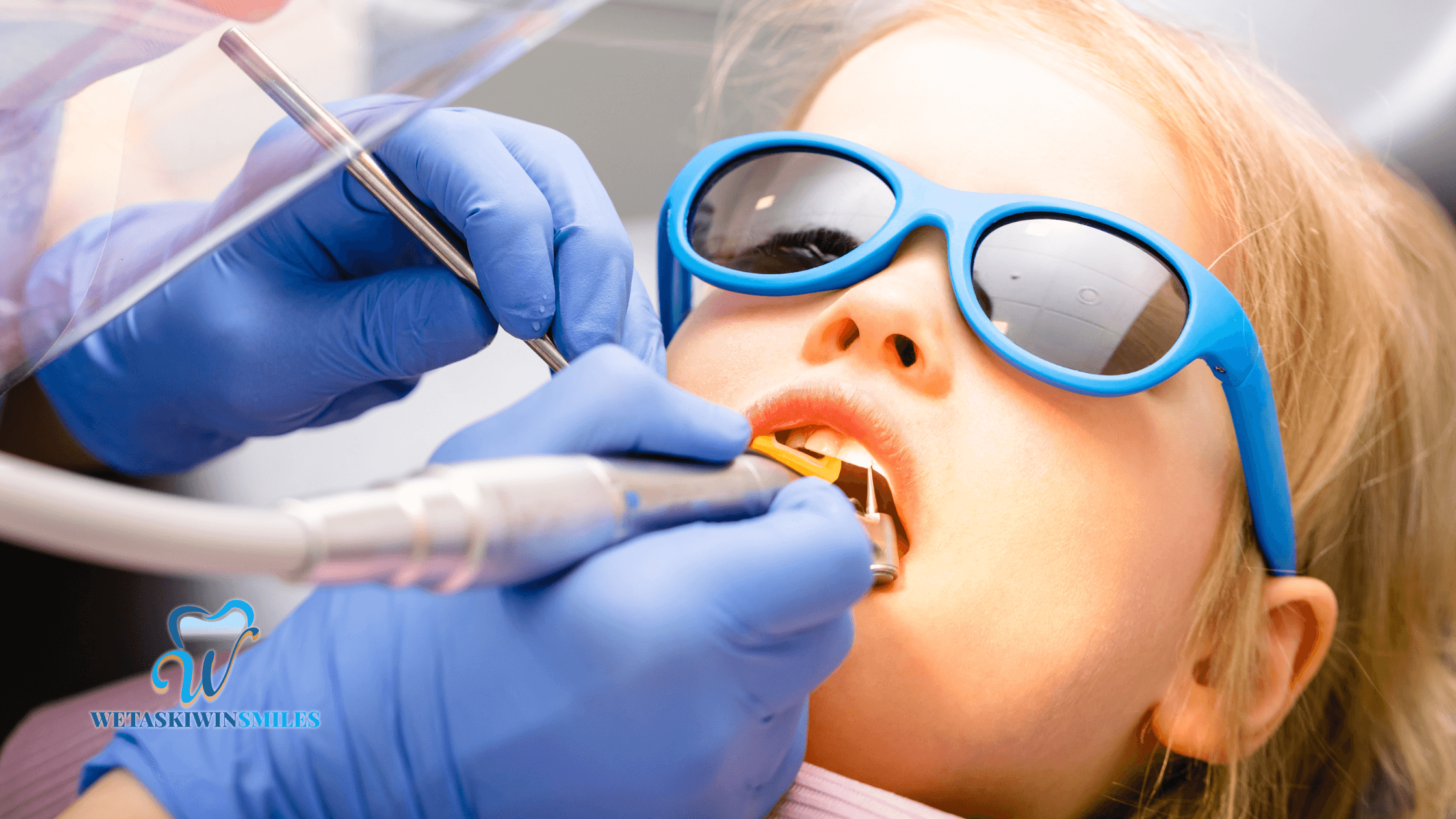
Young children usually receive fillings in a dental setting designed to be friendly and non-threatening. Pediatric dentists often use child-friendly tools and behavior management techniques to help children stay comfortable during the procedure.
If your child is particularly anxious, sedation options may be available to help them relax. The process generally lasts about 30 minutes to an hour, depending on how many fillings are needed and how cooperative your child is during the appointment.
The Safety and Efficacy of Fillings
Fillings for baby teeth have been shown to be safe and effective in treating cavities. Dental materials used today undergo rigorous testing to meet health standards, ensuring they pose minimal risk to young patients.
Studies indicate that fillings can extend the life of your child’s tooth by several years, helping avoid more invasive procedures like extractions or crowns.
Research consistently supports the efficacy of dental fillings, noting their role in both preventing further decay and maintaining the integrity of baby teeth. Fillings are a proven and safe way to stop the progression of decay and preserve the function of baby teeth until they fall out naturally.
With proper care, including regular dental visits and good oral hygiene practices, fillings can significantly prolong the lifespan of baby teeth, allowing for healthy dental development during those formative years.
Strategies for Preventive Care
Preventive care is key to maintaining your child’s dental health. Regular dental check-ups, ideally every six months, can help identify early signs of cavities or other issues.
Incorporate brushing with fluoride toothpaste twice daily and supervise it to ensure proper technique. Additionally, consider using dental sealants, thin protective coatings applied to the chewing surfaces of back teeth, which can significantly reduce the risk of decay.
In addition to daily brushing and flossing, ask your dentist about dental sealants—a protective coating applied to the grooves of back teeth to help prevent cavities.
Best Practices for Maintaining Baby Teeth Health
Establishing a routine for dental hygiene from an early age helps reinforce healthy habits. Encourage your child to brush and floss daily, and model the behavior by making it a family activity.
Regular visits to the dentist will facilitate good dental practices and ensure any concerns are promptly addressed, paving the way for a lifetime of health.
Nutritional Guidelines to Prevent Cavities
A balanced diet is key to cavity prevention. Offer calcium-rich foods like dairy, leafy greens, and fortified alternatives to help strengthen enamel. Minimize sugary snacks and beverages that fuel harmful bacteria, and encourage drinking water after meals. Good nutrition, combined with oral hygiene, supports healthy smiles.
Helping Children Feel Comfortable with Dental Care
Dental procedures can evoke a range of emotions in children, from anxiety and fear to relief and pride. The unfamiliar sounds and sensations of the dentist’s office may create apprehension, making it crucial for you to foster a supportive environment.
By addressing your child’s feelings about their upcoming filling, you can help mitigate stress and cultivate a sense of confidence as they face their dental care challenges.
Preparing Children for Fillings
Preparation plays a vital role in reducing anxiety for children facing fillings. Begin discussing the procedure ahead of time, using simple language to explain what to expect.
Consider role-playing or using children’s books about dental visits to familiarize them with the process, which can help ease their fears and encourage a more relaxed experience.
Communicating with Kids About Dental Health
Open dialogue about dental health builds awareness and promotes good habits among children. Encouraging questions and providing straightforward answers helps them understand the importance of caring for their teeth.
Highlighting positive behaviors, such as regular brushing and visiting the dentist, reinforces a proactive attitude towards their oral hygiene.
Effective communication involves not just talking but engaging in a two-way conversation. Ask your child about their feelings about oral care, listen actively, and validate their concerns.
Age-appropriate explanations about cavities and fillings can turn anxiety into curiosity. For instance, relatable analogies, like comparing cavities to tiny “sugar bugs” that need cleaning, can make dental health concepts more digestible and less intimidating for your little one.
Conclusion
Taking this into account, it’s crucial for you to understand that children’s baby teeth serve a significant purpose in their overall dental health. Filling cavities in these teeth alleviates pain and supports proper alignment for their adult teeth.
By treating cavities in baby teeth early, you help preserve dental function, promote proper alignment for adult teeth, and encourage lifelong oral health habits.
Protect Your Child’s Smile Early — Book a Visit Today
Cavities in baby teeth can lead to long-term oral health issues if left untreated. At Wetaskiwin Smiles, we offer gentle, child-friendly care to restore your child’s teeth and help them maintain a healthy smile. Don’t wait—schedule an appointment at our clinic at 3600 56 St Unit 101, Wetaskiwin, AB today. Early treatment makes a lasting difference!
Reviewed by: Dr. Manjot Dhaliwal
Ready to care for your family’s smiles?