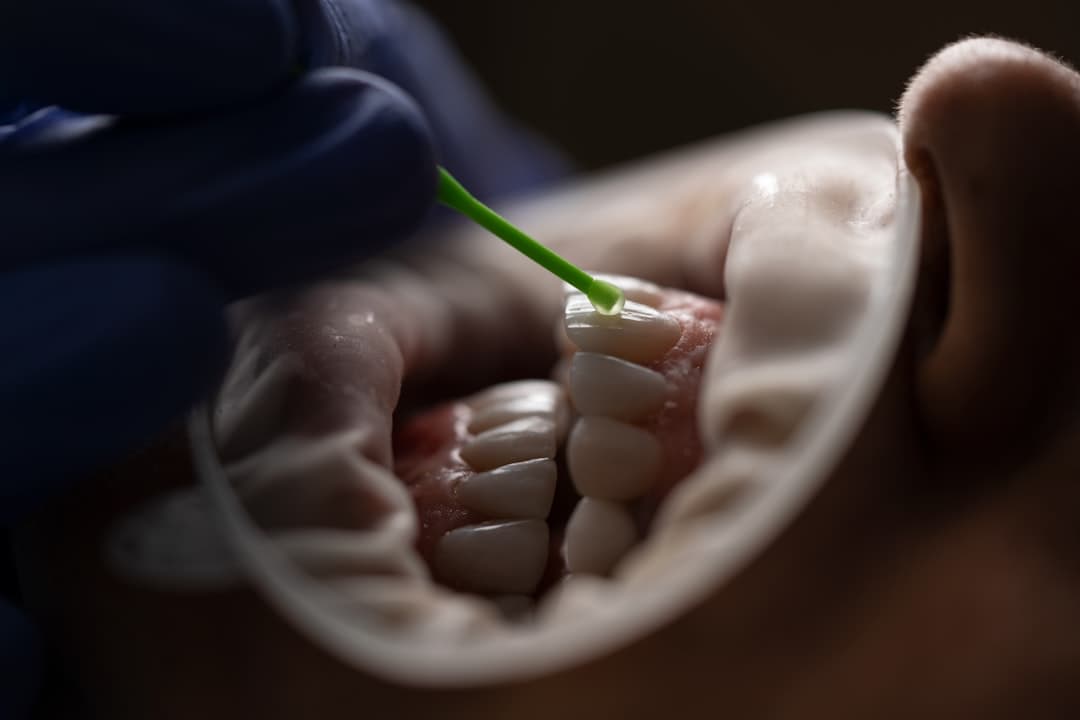
A loose tooth is a common occurrence in children as they grow and develop. There are several signs that indicate a tooth is loose. One of the most obvious signs is when the tooth wiggles or moves when touched. This can be felt by the child or observed by a parent or caregiver. Another sign is when there is a noticeable change in the alignment of the tooth. The tooth may appear to be sticking out at an angle or may have shifted from its original position. In some cases, there may be bleeding or swelling around the loose tooth, which can indicate that the tooth is ready to come out. Additionally, the child may experience discomfort or pain when eating or brushing their teeth, which can also be a sign of a loose tooth. It’s important for parents to be aware of these signs so they can properly care for their child’s loose tooth and ensure that it comes out naturally and without complications.
A loose tooth can be an exciting and sometimes scary experience for a child. It’s important for parents to be aware of the signs that indicate a tooth is loose so they can provide the necessary care and support for their child. In addition to the physical signs of a loose tooth, parents should also pay attention to any changes in their child’s behavior. For example, if the child is avoiding certain foods or complaining of pain while eating, it could be a sign that they have a loose tooth. Similarly, if the child is hesitant to brush their teeth or is experiencing discomfort while doing so, it may be an indication that a tooth is loose. By being attentive to these signs, parents can help their child navigate this natural process with ease and comfort.
Key Takeaways
- Signs of a loose tooth include wiggling or shifting, pain or discomfort, and bleeding around the gum line.
- Proper care and maintenance of a loose tooth involves gentle brushing and flossing, avoiding hard or sticky foods, and using a mouthguard for sports.
- Encourage the child to wiggle the loose tooth gently with clean hands to help it come out naturally.
- Handling pain and discomfort can be done with over-the-counter pain relievers, cold compresses, and avoiding chewing on the loose tooth.
- Precautions to take with a loose tooth include avoiding pulling or twisting the tooth, and seeking dental advice if the tooth is very loose or causing severe pain.
- Celebrate the loss of a tooth with a special tradition, such as a visit from the tooth fairy or a small reward for the child.
- Visiting the dentist for a loose tooth is important to ensure proper care and to address any underlying issues that may be causing the tooth to become loose.
Proper Care and Maintenance of a Loose Tooth
When a child has a loose tooth, it’s important for parents to provide proper care and maintenance to ensure that the tooth comes out naturally and without complications. One of the most important aspects of caring for a loose tooth is to encourage good oral hygiene practices. This includes regular brushing and flossing to keep the area around the loose tooth clean and free from bacteria. It’s also important for parents to monitor their child’s diet and encourage them to eat soft foods that won’t put too much pressure on the loose tooth. Additionally, parents should discourage their child from wiggling or playing with the loose tooth excessively, as this can cause unnecessary pain and discomfort.
In addition to good oral hygiene practices, parents can also provide comfort measures to help alleviate any pain or discomfort associated with a loose tooth. This can include giving the child over-the-counter pain relief medication, such as children’s ibuprofen or acetaminophen, as directed by a pediatrician. Parents can also offer cold compresses or ice packs to help reduce swelling and numb any pain around the loose tooth. By providing proper care and maintenance for a loose tooth, parents can help their child feel more comfortable and confident as they navigate this natural process.
Encouraging the Child to Wiggle the Loose Tooth
Encouraging a child to wiggle their loose tooth can help facilitate its natural removal and make the process more comfortable for the child. Wiggling the tooth can help loosen it further and encourage it to come out on its own. Parents can encourage their child to gently wiggle the loose tooth with their tongue or clean fingers, but it’s important to emphasize that they should not force the tooth if it’s not ready to come out. It’s also important for parents to reassure their child that wiggling the tooth is a normal part of the process and that it’s okay to feel a little bit of discomfort.
In addition to wiggling the loose tooth, parents can also encourage their child to eat crunchy fruits and vegetables, such as apples and carrots, which can help naturally loosen the tooth. Chewing on these foods can provide gentle pressure on the loose tooth and encourage it to come out on its own. It’s important for parents to be patient and supportive during this process, as some children may feel anxious or scared about wiggling their loose tooth. By providing encouragement and reassurance, parents can help their child feel more confident and empowered as they navigate this natural milestone.
Handling Pain and Discomfort
It’s common for children to experience some pain and discomfort when they have a loose tooth. This can be due to inflammation around the tooth or pressure from surrounding teeth as the loose tooth shifts position. To help alleviate any pain or discomfort, parents can offer over-the-counter pain relief medication, such as children’s ibuprofen or acetaminophen, as directed by a pediatrician. Cold compresses or ice packs can also be used to numb any pain and reduce swelling around the loose tooth.
In addition to providing pain relief measures, parents can also encourage their child to eat soft foods that won’t put too much pressure on the loose tooth. This can include foods like yogurt, mashed potatoes, and smoothies, which are easy to eat and won’t cause unnecessary discomfort. It’s important for parents to be attentive to their child’s needs and provide comfort and support as they navigate this natural process. By handling pain and discomfort with care and compassion, parents can help their child feel more at ease as they wait for their loose tooth to come out.
Precautions to Take with a Loose Tooth
When a child has a loose tooth, there are certain precautions that parents should take to ensure that the tooth comes out naturally and without complications. One important precaution is to discourage the child from wiggling or playing with the loose tooth excessively. While gentle wiggling can help facilitate the natural removal of the tooth, excessive wiggling can cause unnecessary pain and discomfort. It’s important for parents to remind their child that it’s okay to feel some discomfort, but they should avoid forcing the tooth if it’s not ready to come out.
Another precaution is to monitor the child’s diet and encourage them to eat soft foods that won’t put too much pressure on the loose tooth. This can help prevent any unnecessary pain or discomfort while eating. Additionally, parents should remind their child to continue practicing good oral hygiene habits, such as regular brushing and flossing, to keep the area around the loose tooth clean and free from bacteria. By taking these precautions, parents can help ensure that their child’s loose tooth comes out naturally and without complications.
Celebrating the Loss of a Tooth
Losing a tooth is a significant milestone in a child’s life, and it’s important for parents to celebrate this occasion with their child. One way to celebrate the loss of a tooth is by creating a special tradition or ritual that marks the occasion. This can include activities such as writing a letter to the Tooth Fairy, creating a special keepsake box for lost teeth, or planting a “tooth garden” where each lost tooth is buried with a small plant or flower. These traditions can help make the experience more memorable and enjoyable for the child.
Another way to celebrate the loss of a tooth is by rewarding the child with a small gift or treat. This can be something simple like a new book, toy, or special treat that the child has been wanting. By celebrating the loss of a tooth in a positive and fun way, parents can help their child feel excited and proud of this natural milestone in their development.
Visiting the Dentist for a Loose Tooth
In some cases, it may be necessary for a child to visit the dentist if they have a loose tooth. The dentist can assess the condition of the loose tooth and provide guidance on how to care for it properly. They can also offer recommendations for pain relief measures or interventions if necessary. Additionally, if the loose tooth is not coming out on its own or if there are complications such as infection or excessive bleeding, the dentist can provide appropriate treatment.
Visiting the dentist for a loose tooth can also provide an opportunity for the child to learn about proper oral hygiene practices and receive guidance on caring for their teeth as they continue to grow and develop. The dentist can offer advice on how to maintain good oral health and prevent future issues with loose teeth or other dental concerns. By visiting the dentist for a loose tooth, parents can ensure that their child receives proper care and support from a dental professional as they navigate this natural process.
If your child has a loose tooth, it’s important to handle it with care to avoid any unnecessary pain or complications. In addition to following the tips in this article, it’s also a good idea to schedule a visit to a pediatric dentist for a professional opinion. Wetaskiwin Smiles offers orthodontic services for children, ensuring that their teeth are properly aligned as they grow. Click here to learn more about their orthodontic services and how they can help your child maintain a healthy smile.
Ready to care for your family’s smiles?